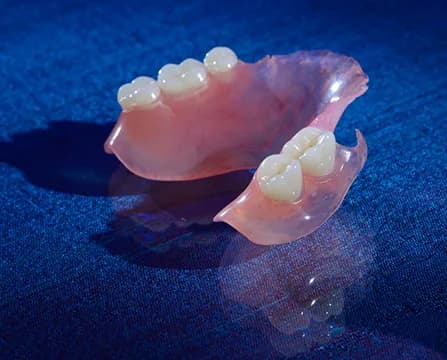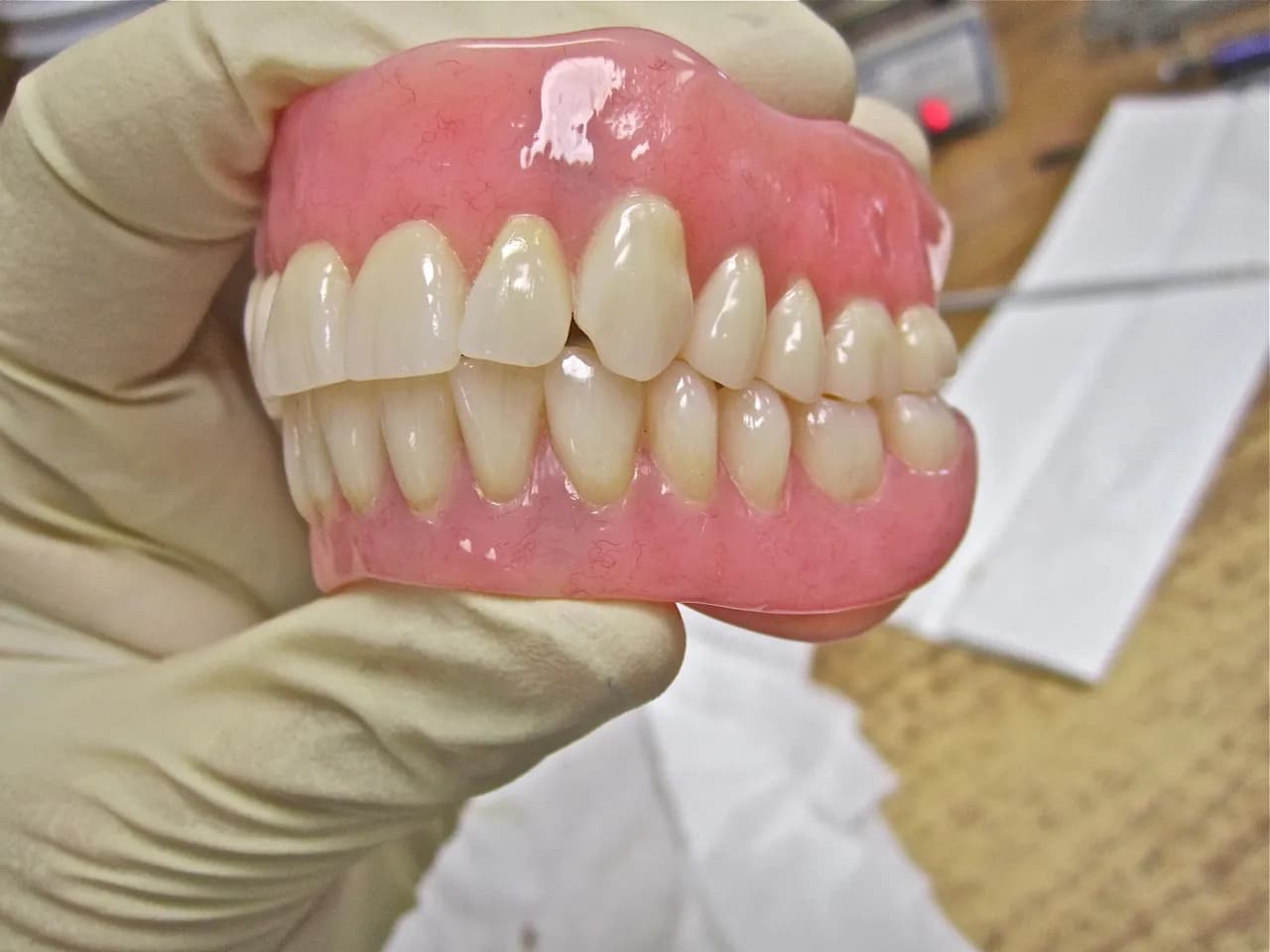
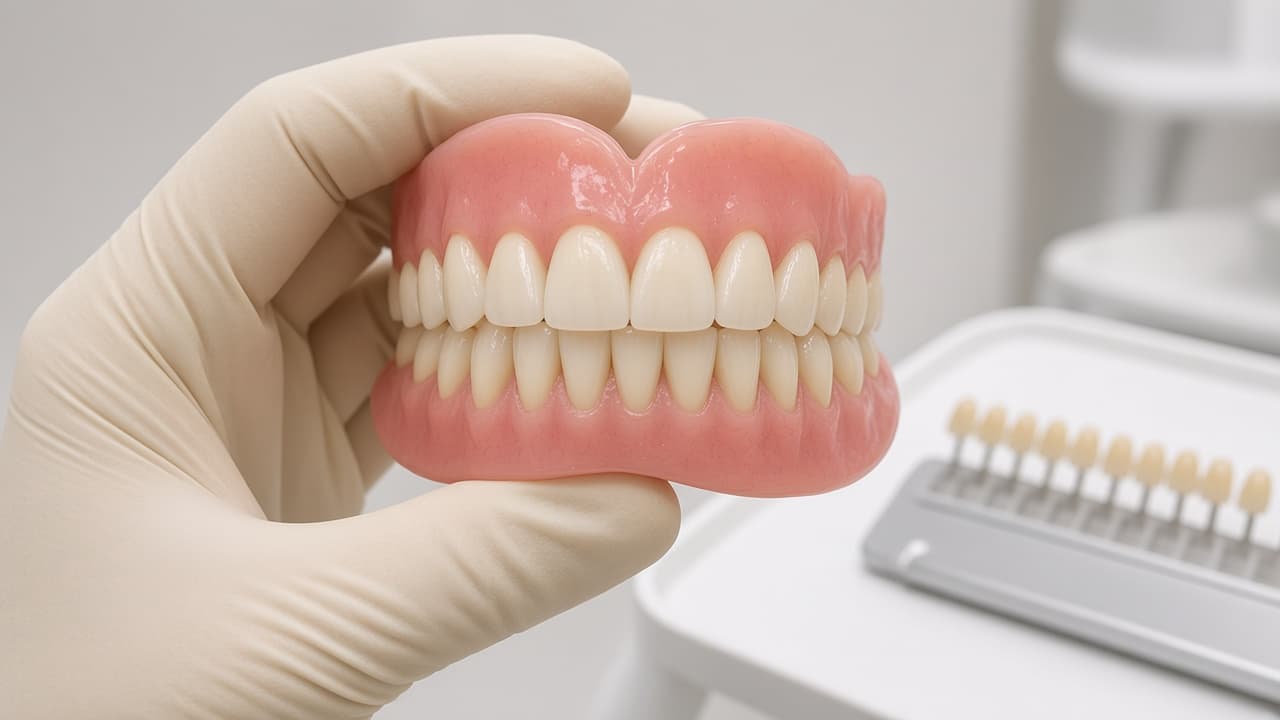
When oral discomfort strikes, teeth go missing, or older prosthetics begin to pinch and slip, most people reflexively schedule a visit with a general dentist. While dentists serve as essential primary care providers for natural teeth and gums, there is a dedicated oral health specialist exclusively focused on replacing missing teeth, balancing your bite, and crafting custom dental appliances: the registered denturist.
If you live in Greater Victoria—whether in Saanich, Oak Bay, Esquimalt, or the Westshore—finding a trusted denturist in Victoria gives you direct access to the professional who physically measures, sculpts, casts, and fits your prosthetic.
Navigating tooth replacement does not have to feel overwhelming. Discover what a denturist does, how their training compares to other dental professionals, the telltale signs that it is time to schedule a visit, and why a specialized, walk-in clinic makes a lasting difference in your quality of life.
What Exactly Does a Denturist Do?
In British Columbia, registered denturists are independent, self-regulated primary healthcare providers licensed under the British Columbia College of Oral Health Professionals (BCCOHP). Unlike general dental offices that focus on fillings, root canals, and hygiene cleanings, a denturist’s entire clinical scope centers on the design, fabrication, insertion, and long-term maintenance of removable oral prosthetics and implant-supported restorations.
What truly separates a denturist in Victoria from other dental providers is the complete integration of chairside clinical evaluation and hands-on laboratory craftsmanship:
- Comprehensive clinical examination. A denturist assesses the physical architecture of your oral cavity. This includes evaluating the density and shape of your alveolar ridges (the gum-covered bone that supports your teeth), checking oral mucosal tissue health, assessing your temporomandibular joint (TMJ) range of motion, and checking bite registration.
- Precision impressions and modeling. Rather than delegating impressions to an assistant, your denturist takes custom anatomical impressions themselves to map every curve, frenum attachment, and soft tissue contour in your mouth.
- Custom on-site laboratory fabrication. In traditional dental practices, impressions are packaged and shipped out to an off-site third-party commercial dental laboratory. A dedicated denturist designs, sets, waxes, and cures your prosthetic in their own specialized lab.
- Try-in and micro-adjustments. Before finalizing your appliance, your denturist conducts an aesthetic wax try-in. You evaluate the tooth shape, shade, and arrangement in a mirror, and the denturist verifies jaw alignment.
- Lifelong maintenance, relining, and adjustments. As your jawbone naturally shifts over the years, your denturist performs professional relines, repairs, rebases, and annual tissue health evaluations.
Denturist vs. Dentist: Key Differences You Need to Know
A common misconception among patients in Victoria is that you must first see a general dentist to get a referral for dentures. In British Columbia, no referral is ever required to book a consultation with a registered denturist.
Dentists excel at preserving natural tooth structure and performing complex surgical extractions. Denturists specialize in prosthetic biomechanics. When the goal is replacing missing teeth, restoring facial support, and comfortable chewing, working directly with a denturist provides focused care.
| Evaluation Metric | Registered Denturist (RD) | General Family Dentist (DDS / DMD) |
|---|---|---|
| Primary scope of practice | Focused on removable and implant dentures, repairs, and related appliances | Broad focus on natural teeth, cleanings, restorations, root canals, and crowns |
| Laboratory involvement | Personally fabricates and adjusts prosthetics in an on-site laboratory | Typically outsources denture fabrication to off-site commercial dental labs |
| Referral requirement | Direct public access; no referral needed in BC | Direct public access; no referral needed |
| Direct cost efficiency | Often lower out-of-pocket costs by removing a separate lab middleman | Often includes additional laboratory markup fees |
| Same-day emergency repairs | Rapid turnaround, often 1–3 hours, with on-site equipment | Typically requires sending a broken appliance out for several days |
7 Clear Signs It’s Time to See a Denturist in Victoria
Whether you currently wear a prosthetic or are experiencing progressive tooth loss, your mouth constantly communicates its health status. These are seven clear indicators that you should consult a denturist in Victoria.
1. Your existing dentures feel loose, slip, or require excessive adhesive
No denture is designed to fit permanently without adjustments. Over time, the alveolar bone ridge in your jaw undergoes a natural process known as resorption (gradual bone loss). As the bone shrinks, a gap develops between your gum tissue and the rigid base of your appliance. If you rely on sticky denture adhesives just to get through a meal or keep your teeth from slipping when you speak, your appliance is overdue for a professional reline or replacement.
2. You experience chronic sore spots or burning sensations
Persistent red patches, localized ulcers, or inflamed raw spots along your gumline indicate uneven pressure distribution. When a denture loses its balance, localized high points dig into delicate oral tissues during chewing. Continuing to wear an ill-fitting denture can lead to fibrous tissue overgrowths, such as epulis fissuratum.
3. Your facial features look sunken or your lips are thinning
Your teeth and jaw ridges form the structural scaffolding for the lower third of your face. When teeth wear down or bone recedes, the distance between your nose and chin shortens—a condition known clinically as a loss of vertical dimension of occlusion (VDO). This collapse causes deep creases around the corners of the mouth (angular cheilitis), sagging jowls, and a prematurely aged profile. A denturist recalculates and restores this vertical height, supporting facial contours and restoring a more natural profile.
4. You avoid nutritious, crunchy, or fibrous foods
If you find yourself modifying your diet by cutting out crisp apples, fresh raw vegetables, nuts, or lean meats because chewing causes pain or instability, your overall health is at risk. A properly fitted prosthetic restores bite force and chewing efficiency so you can enjoy a balanced diet without fear. Complete dentures and partial dentures are planned around how you actually eat and speak.
5. Your prosthetic clicks, whistles, or alters your speech
Clear speech requires precise, repeatable contact between your tongue, palate, and the edges of your teeth. If air escapes around your plate, or if your teeth audibly click together while speaking, your bite relationship has shifted. A denturist can re-establish proper phonetic clearances.
6. Your denture teeth are worn flat, stained, or dull
Modern prosthetic teeth are crafted from durable, wear-resistant polymers. However, after 5 to 7 years of daily chewing, these teeth wear down. Flat teeth force you to exert more muscle force to grind your food, straining your jaw joints and accelerating ridge resorption.
7. You are facing upcoming extractions
If your dentist has determined that your remaining natural teeth cannot be saved, you do not have to go without teeth while your gums heal. A denturist collaborates directly with your oral surgeon or dentist to craft an immediate denture in advance, seating it immediately after your extractions.
What to Expect During Your First Visit to Saanich Walk-In Denture Clinic
Visiting a dedicated clinic like Saanich Walk-In Denture Clinic on Shelbourne Street in Victoria is a welcoming, patient-focused experience. Led by registered denturist Conrad DePalma, who brings more than 25 years of specialized clinical experience, the clinic prioritizes comfort, clear communication, and personalized care.
Stage 1: Complimentary consultation and oral health exam
- Review your medical and dental history and listen to your functional and aesthetic goals.
- Thorough visual and tactile evaluation of your gums, palate, and ridge contours.
- Clear discussion of restorative options and exact pricing.
Stage 2: Precision anatomical impressions
- Detailed master impressions captured using specialized border-molding techniques.
- Recording the dynamic movements of your lips, cheeks, and tongue.
Stage 3: Bite registration and custom esthetic selection
- Precise measurement of vertical facial dimension and centric jaw relation.
- Selecting tooth shapes, sizes, and shades that match your complexion together.
Stage 4: The wax try-in appointment
- Replacement teeth are arranged in a preview wax base and placed in your mouth.
- You inspect your new smile in a mirror while smile line and speech are confirmed.
Stage 5: Final processing and insertion
- High-impact heat-cured acrylic is processed in the on-site Victoria laboratory.
- The appliance is delivered, the bite is verified, and home-care guidance is provided.
Accessible Care: Mobile Services and the Canadian Dental Care Plan
A key advantage of seeking care from an established denturist in Victoria is the focus on community access. At Saanich Walk-In Denture Clinic, this commitment shows up in two ways.
Mobile home and hospital care. Mobility challenges, chronic illness, and cognitive conditions should never prevent someone from receiving quality oral care. Conrad DePalma and the clinical team bring portable diagnostic, impression, and fitting equipment directly to private homes, assisted living facilities, and hospitals—including Royal Jubilee Hospital and Victoria General Hospital—across Saanich, Oak Bay, Sidney, and the Westshore. Learn more about mobile denture services.
Direct billing for the Canadian Dental Care Plan (CDCP). Financial worries should not stand between you and a confident smile. As a registered provider under the federal CDCP program, the clinic coordinates pre-authorizations and direct billing, helping eligible seniors and qualifying British Columbians access their benefits. Coverage details are also outlined on our for patients page.
For patients who want extra stability, denturists also design implant-supported dentures in collaboration with an oral surgeon who places the implants.
Frequently Asked Questions: Denturist in Victoria, BC
- What qualifications does a registered denturist have in British Columbia?
A registered denturist in BC completes specialized post-secondary education in denturism, oral anatomy, pathology, and laboratory technology, followed by clinical licensing examinations under the British Columbia College of Oral Health Professionals (BCCOHP). - Can a denturist examine my mouth if I have no natural teeth left?
Yes. Annual oral examinations are vital even for fully edentulous patients. Your denturist screens for oral tissue lesions, checks for early signs of oral cancer, evaluates underlying bone resorption, and ensures your appliance is not damaging your soft palate or gums. - Do I need to see a dentist before booking an appointment with a denturist?
No. In British Columbia, registered denturists are primary healthcare providers with direct access. You can call or walk into the clinic on Shelbourne Street without an outside referral. - How often should I have my dentures checked or relined?
Have your dentures clinically evaluated once every year. Most patients need a professional reline every 2 to 3 years to account for natural jawbone resorption, while complete replacements are commonly recommended every 5 to 7 years. - How long does a broken denture repair take at an on-site laboratory?
Because Saanich Walk-In Denture Clinic maintains a fully equipped on-site laboratory, most simple repairs—such as a cracked pink acrylic base or a loose tooth—are completed within 1 to 3 hours on the same day. See same-day denture repair. - Will new dentures change my appearance?
A well-designed denture restores lost vertical dimension, gently supports the lips and cheeks, and uses a tooth shade matched to your preferences. - Does the Canadian Dental Care Plan (CDCP) cover new dentures and relines?
Standard complete dentures, partial dentures, relines, and repairs are covered benefits under the CDCP for eligible patients, subject to the plan’s schedule and fee structure. - What is the difference between an immediate denture and a standard denture?
A standard denture is crafted after extraction sites have fully healed, which typically takes several months. An immediate denture is fabricated in advance and placed the same day your teeth are extracted by your dentist or surgeon. - Can a denturist fabricate implant-supported dentures?
Yes. Denturists work with oral surgeons to design and fit implant-retained overdentures—prosthetics that snap onto implant attachments for added stability and bite strength. - How should I care for my dentures on a daily basis?
Take your dentures out every night so your gums can rest. Clean them daily with a soft-bristled brush and a non-abrasive denture cleanser or mild dish soap. Do not use standard abrasive toothpaste or boiling water, which can scratch or warp the acrylic.
Book a Visit on Shelbourne Street
If your denture is slipping, your bite has changed, or you are preparing for extractions, a registered denturist can assess the problem directly. Walk into Saanich Walk-In Denture Clinic or contact the clinic to arrange a complimentary consultation.