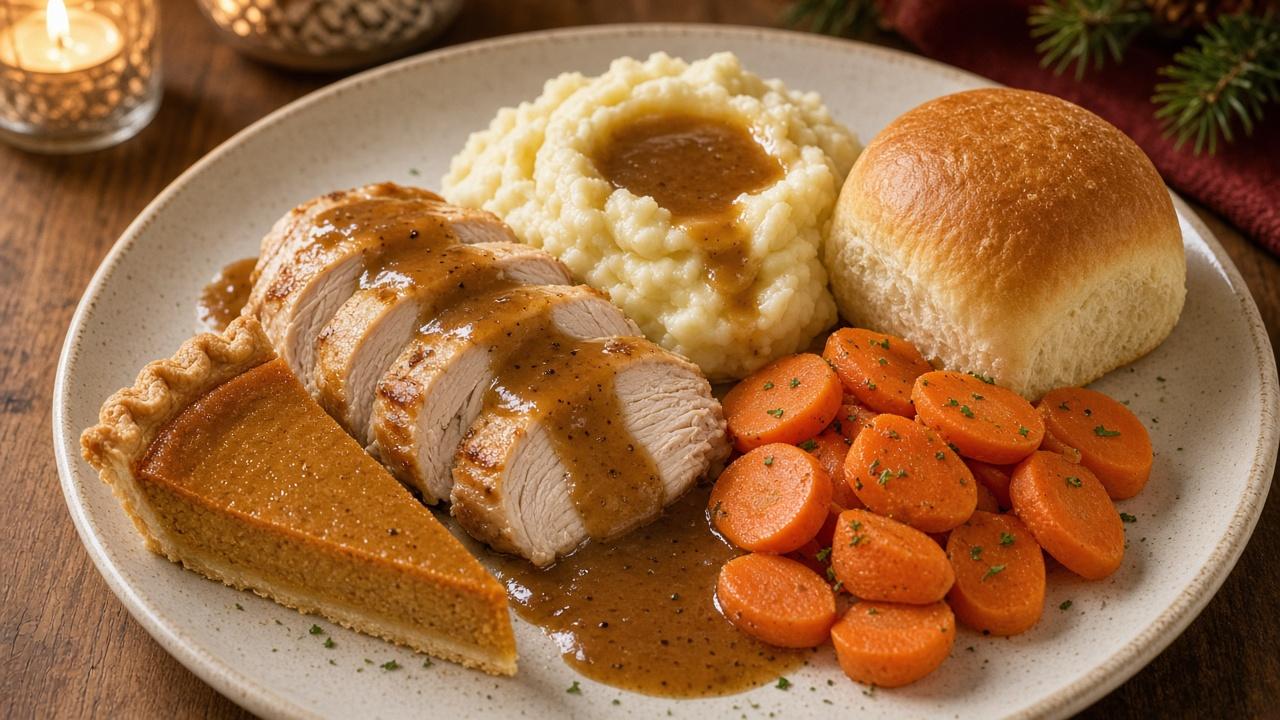
Holiday meals are the point of the season for a lot of families, and they are also the moment a new or temporary denture feels most obvious. Rich plates, crusty bread, and sticky desserts ask more of an appliance that is still settling on healing gums.
At Saanich Walk-In Denture Clinic in Victoria, BC, we would rather you enjoy the dinner than spend it worrying about a slip or a sore spot. This guide explains how chewing changes with temporary dentures, which festive foods are realistic, and the table habits that keep the denture seated.
How Chewing Changes With Temporary Dentures
Natural teeth put force through individual roots in bone. A temporary denture puts that force through one acrylic base sitting on tissue that may still be healing.
- Chew on both sides. Food on only one side tips the other side of the denture off the ridge. Split a bite and chew on the left and right back teeth together.
- Expect less bite force. Temporary dentures deliver a fraction of the force of natural teeth, often described as roughly 20 to 30 percent. Biting straight into an apple or a tough piece of meat with the front teeth levers the back of the denture loose.
- Temperature feels different. Acrylic over the palate dulls heat. Test coffee, cider, and gravy with your lip or tongue before a full mouthful so you do not burn healing tissue.
Holiday Menu Guide: What to Enjoy, Approach Carefully, or Avoid
You do not need a separate meal. You need the version of the holiday plate that your denture can actually manage.
Use the middle column when you want to try a dish, and the last column when the texture is more likely to crack a tooth, bend a clasp, or unseat the denture.
| Food category | Safer choices | Approach with caution | Higher risk |
|---|---|---|---|
| Proteins and meats | Tender turkey breast with gravy, baked salmon, poached fish, finely pulled pork, eggs. | Sliced ham, well-done roast beef, dark turkey meat. | Tough steak, chewy crackling, fatty rib edges, jerky. |
| Sides and vegetables | Mashed potatoes, sweet potato purée, steamed carrots, squash, stuffing moistened with broth. | Soft roasted vegetables, green bean casserole. | Raw celery, raw carrots, corn on the cob, firm broccoli florets. |
| Breads and starches | Soft rolls without a hard crust, soft cornbread, well-cooked pasta, rice with sauce. | Soft sourdough, soft biscuits. | Crusty baguette, bagels, hard pretzels, heavily seeded rolls. |
| Desserts and treats | Pumpkin pie, soft cheesecake, mousse, pudding, custard, ice cream, soft gelatin. | Soft fruit pie, sponge cake. | Sticky caramel, hard toffee, peanut brittle, whole nuts, chewy fudge. |
Five Ways to Get Through the Meal
These are the habits that matter more than any single dish.
1. Moisten every bite
Dry food needs more force. Gravy, soft sauce, broth, or butter makes meat and starch easier to chew and less likely to drag the denture.
2. Cut food before it reaches your mouth
Small pieces reduce the load on the chewing muscles and stop you from using the front teeth as a knife. That front bite is what unseats a lower denture.
3. Use adhesive only when the tissue is closed
If extraction sites are still open, skip adhesive until your denturist confirms healing, often after 2 to 3 weeks. Once approved, a thin layer of zinc-free paste or powder adds stability for a long meal.
4. Chew slowly
Nerves are still mapping the new surfaces. Slow chewing is what prevents a bite to the cheek or tongue while you adapt.
5. Keep water at the table
Sips clear particles that collect under the base and make swallowing easier. If the denture loosens partway through dinner, that is a cue for a soft reline, not a reason to force the next course.
Frequently Asked Questions
Why is meat difficult with temporary dentures?
The base sits on tissue that is still tender, and acrylic teeth do not tear the way natural teeth do. Slow-cooked, shredded, or sauced meat is the realistic choice in the early weeks. Our note on how long temporary dentures are worn explains why the fit changes during those same weeks.
Can I use denture adhesive for a holiday meal?
Not over open extraction sockets. After the tissue has closed, usually in 2 to 3 weeks, and your denturist agrees, adhesive helps for a large meal. It does not replace a reline if the denture is genuinely loose.
How do I keep food from packing under the denture?
A current soft reline is the main answer, because shrinkage opens a gap. Sipping water while you eat rinses loose debris. Book the reline at the clinic rather than waiting until the denture rocks at every meal.
Is it normal for temporary dentures to feel loose while eating?
Yes. Gum and bone shrink after extractions, so retention fades. A professional soft reline brings the base back to the tissue.
Why can't I bite with my front denture teeth?
Front teeth act like a lever. Pressure there lifts the back of the denture off the gums. Cut the food and chew on the back teeth.
When can I eat firmer food again?
Many people move from soft food toward firmer textures between 4 and 8 weeks, depending on healing and comfort. Pain is a reason to slow down, not a milestone to push through.
What if a sore spot shows up during the holidays?
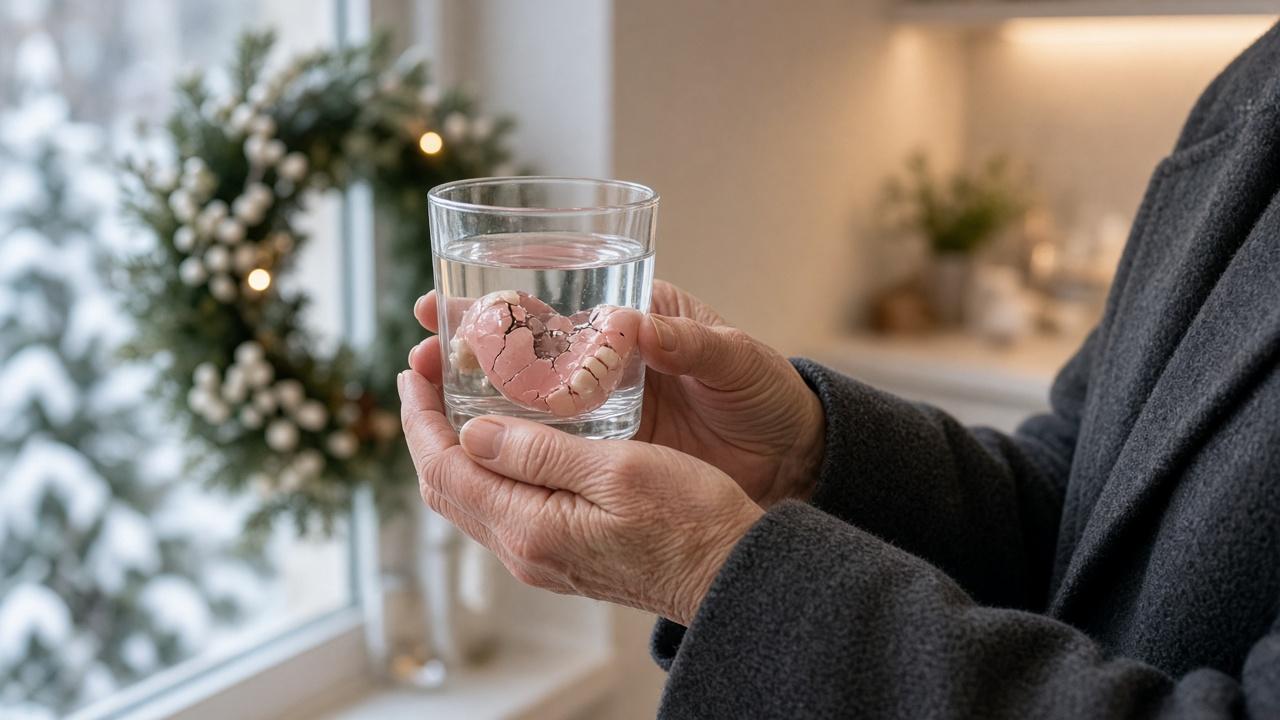
Rinse with warm salt water after meals. If it is still sore, come in for an acrylic adjustment. That visit is short, and it is better than trimming the denture yourself. If the denture actually cracks, follow the steps in our holiday emergency guide.
Can hot holiday drinks damage temporary dentures?
Very hot liquid can warp acrylic and burn tissue you cannot feel well through the palate. Test coffee, cider, and tea first.
What if the temporary denture cracks while I am eating?
Stop, take it out, collect the pieces, and put them in cool water. Do not glue them. Call (250) 595-1665 for same-day repair.
How do I clean temporary dentures after a heavy meal?
Remove the denture over a sink of water or a folded towel. Brush every surface with a soft denture brush and mild dish soap or a non-abrasive cleanser. Rinse well before you put it back in.
Enjoy the meal, then let us adjust the fit
Choose the softer plate, chew on both sides, and call us if a sore spot or a loose base shows up before the next gathering. Walk-ins are welcome, or send an enquiry and we will find a time around your holiday plans.