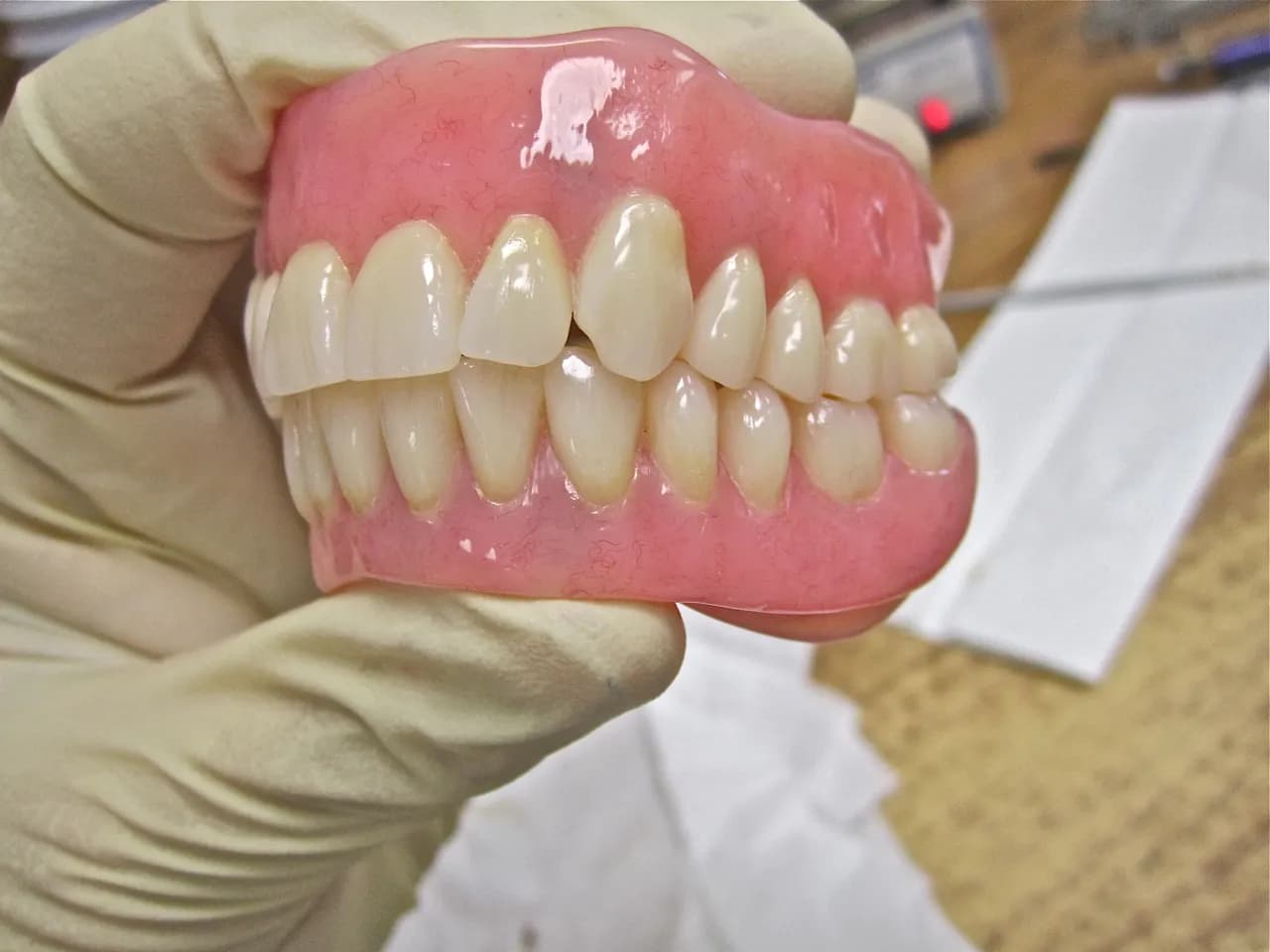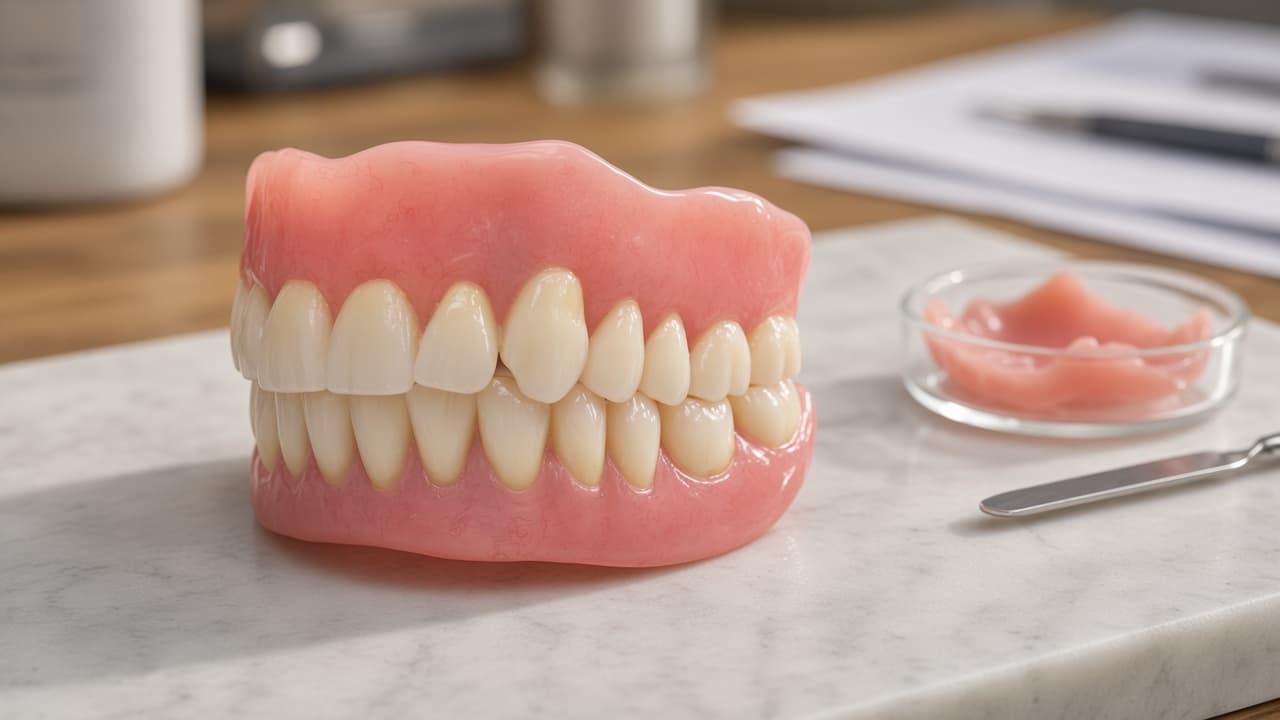
Facing tooth extractions can feel overwhelming, but the transition does not mean living with missing teeth. Temporary dentures—also called immediate dentures or healing dentures—are made to bridge the time between extraction surgery and your permanent denture.
At Saanich Walk-In Denture Clinic in Victoria, BC, we craft custom temporary and immediate dentures so patients can speak, eat soft foods, and smile from the day of surgery. This guide explains what they are, how long they should be worn, the treatment timeline, and how they differ from a final denture.
Defining Temporary Dentures: A Dual-Purpose Healing Appliance
A temporary denture is inserted immediately after tooth extraction. It does two jobs at once.
- Aesthetic and functional bridge. You are not without teeth for weeks or months. Facial support, speech, and basic chewing stay in place while the jaw heals.
- Therapeutic cover. The acrylic base covers extraction sockets. It protects blood clots, helps control bleeding, limits swelling, and shields healing tissue from food and friction.
How Long Can You Wear Temporary Dentures?
Temporary dentures are built for the months while bone and gum tissue remodel. They are not a finished, long-term appliance.
- Primary healing, months 1–3. Bone resorption and soft-tissue healing are fastest. The denture needs temporary soft relines as the gums shrink.
- Stabilization, months 3–6. Healing slows and the jaw begins to settle. The temporary denture still works, with periodic adjustments.
- Transition target, around month 6. Gum tissue and the underlying bone are stable enough to start the final denture.
- Maximum wear, 6 to 12 months. Wearing a temporary denture past 12 months is strongly discouraged. The acrylic and the fit are no longer doing the job they were made for, and sore spots, extra bone loss, and a poor bite become more likely.
Why temporary dentures should not be worn permanently
They can look like a standard denture, but the design intent is short-to-medium term. Staying in them past that window leads to:
- Fit that keeps getting worse. They are made before the teeth come out, so as the sockets heal and bone shrinks, the base loosens.
- Uneven pressure. A loose temporary denture rocks. That pressure can speed jawbone loss.
- Soreness and infection risk. Gaps under a loose base trap food. Chronic sore spots and fungal irritation, including oral thrush, become more common.
- Material limits. Immediate acrylic is chosen so it can be adjusted often during healing. It is less wear-resistant than the high-density material used for a final denture.
From Pre-Extraction Impressions to a Final Smile
The path from extractions to a permanent denture follows five clinical phases.
Phase 1: Assessment and impressions
- Completed 1–2 weeks before surgery, while natural teeth are still present.
- Impressions and jaw records capture tooth shape, bite height, and alignment so the temporary denture can be built in advance.
Phase 2: On-site fabrication
- The Victoria laboratory makes the custom temporary dentures before the surgical appointment.
- You arrive on extraction day with the appliance already finished.
Phase 3: Extraction and immediate insertion
- Your dentist or oral surgeon removes the teeth and the temporary denture is inserted the same day.
- You leave with a complete smile rather than an empty ridge.
Phase 4: Care and soft relines
- Over months 1–6 you return as the gums heal and shrink.
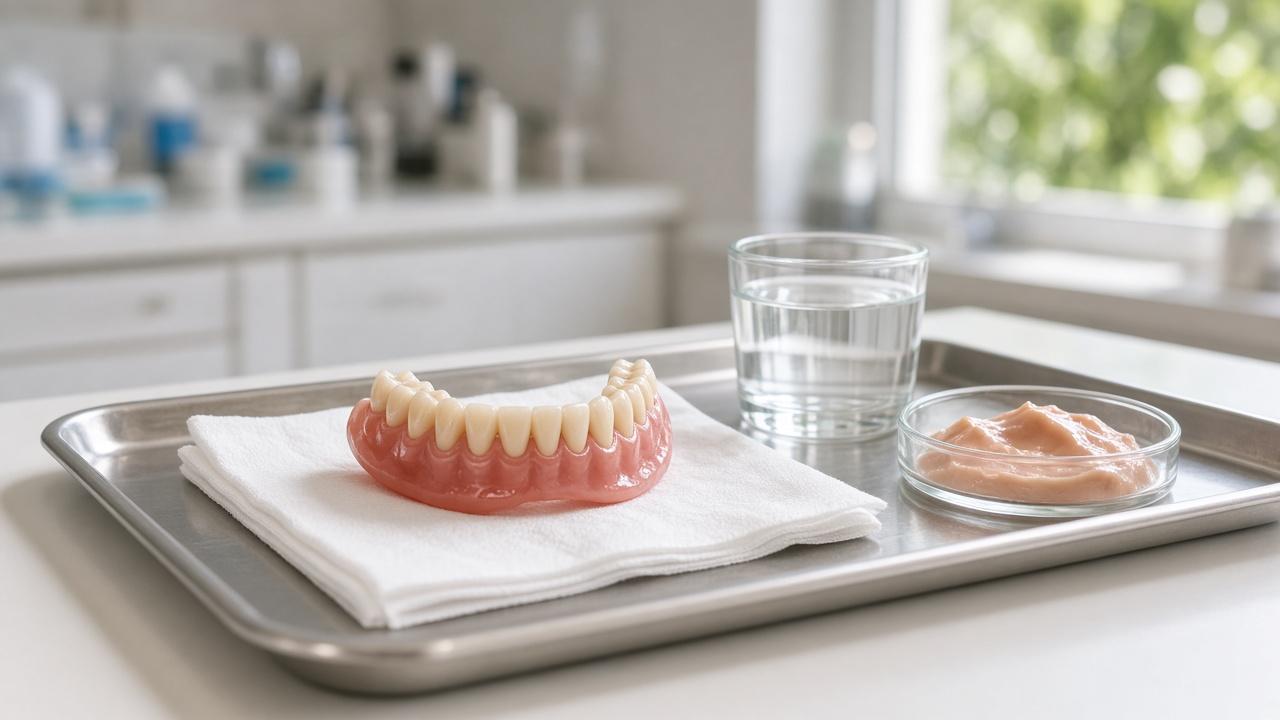
- Tissue conditioners and temporary soft relines cushion the ridge and keep the denture seated.
Phase 5: Permanent dentures
- Once the ridge has stabilized, usually from about month 6 onward, new impressions are taken.
- The final denture is made for fit, durability, and a more refined appearance.
Temporary Dentures vs. Permanent Dentures
Both appliances replace missing teeth. They are built at different moments, for different jobs, and they are not interchangeable.
| Feature | Temporary (immediate) dentures | Permanent final dentures |
|---|---|---|
| Insertion timing | Placed immediately after tooth extractions. | Placed after the gums and jawbone have healed, often 6 months or more. |
| Primary function | Healing cover, cosmetic bridge, and provisional chewing. | Long-term chewing, speech, and finished aesthetics. |
| Fit precision | Moderate. Based on pre-extraction records and maintained with relines. | Made on fully healed, stable tissue contours. |
| Base material | Acrylic chosen so it can be adjusted during healing. | Dense, heat-cured high-impact acrylic, sometimes with metal reinforcement. |
| Appearance | Good shade and shape matching for the healing period. | More refined tooth selection matched to facial features. |
| Expected lifespan | 6 to 12 months at most. | About 5 to 7 years or longer with routine care. |
Frequently Asked Questions
Do temporary dentures feel comfortable right away?
Not usually. Soreness, extra saliva, and a foreign feeling are normal for the first 1 to 2 weeks while the mouth heals and you adapt.
Should I take my temporary dentures out at night?
For the first 24 hours after extraction, they usually stay in, including overnight, to help control bleeding and swelling. After that, follow the instructions you were given. Most patients then remove them at night so the gums can rest.
How do I clean temporary dentures while sockets are healing?
Rinse your mouth gently with warm salt water. Do not spit forcefully. Clean the denture daily with a soft denture brush and a non-abrasive cleanser or mild soap. Do not use boiling water or regular toothpaste.
How long does gum healing take after extractions?
Soft tissue often closes in 2 to 4 weeks. The jawbone underneath keeps remodelling for about 3 to 6 months.
What is a soft reline, and why do temporary dentures need them?
A soft reline places a pliable material inside the denture. As the gums shrink, it fills the space, cushions tender areas, and restores a seal. Our reline appointments are part of normal healing, not a sign that something went wrong.
Can I eat normally with temporary dentures?
Start with soft foods: eggs, yogurt, soup, mashed potatoes. Over 4 to 8 weeks, as comfort allows, you can add more texture. Take small bites and chew on both sides.
Why do my temporary dentures feel loose after a few weeks?
Loosening is a normal sign that swelling has gone down and bone is remodelling. A soft reline at the clinic restores retention.
Can I skip temporary dentures and wait for permanent ones?
You can, but that means living without teeth for several months. Eating, speech, and facial support all suffer during that gap. Most patients prefer the temporary appliance.
How many soft relines will I need?
Many patients need 2 to 4 soft relines across a 6-month healing period. The number depends on how many teeth were removed and how quickly you heal.
How much do temporary dentures cost in Victoria, BC?
Fees depend on whether you need an upper, a lower, or a partial temporary denture, and on what your plan covers. We go through the estimate at a consultation. Contact the clinic or call (250) 595-1665 to book that visit. Consultations are free.
Plan the healing window, not a permanent stopgap
Temporary dentures are a successful treatment when they are worn for the healing period and then replaced. If you are preparing for extractions, talk with us about immediate dentures in Victoria before the surgery date.