When you are missing one or several teeth, the impact extends far beyond your appearance. Simple daily pleasures—like eating a crisp apple, speaking clearly during a business meeting, or laughing comfortably with friends—can become sources of anxiety. For decades, the standard fix for partial tooth loss was a traditional removable partial denture. While functional, these older designs often meant living with rigid acrylic bases that felt bulky against the palate or metallic wire clasps that flashed uncomfortably whenever you smiled.
Fortunately, modern restorative dentistry has experienced a major material evolution. Enter flexible dentures: an innovative, metal-free alternative crafted from high-performance medical-grade thermoplastics. Engineered to flex in harmony with the natural contours and movements of your mouth, flexible partials offer an ideal combination of aesthetic appeal, gentle retention, and long-lasting durability.
If you are seeking a discreet, featherlight solution to fill the gaps in your smile without compromising on comfort, here is everything you need to know about flexible dentures.
What Are Flexible Dentures and How Do They Work?
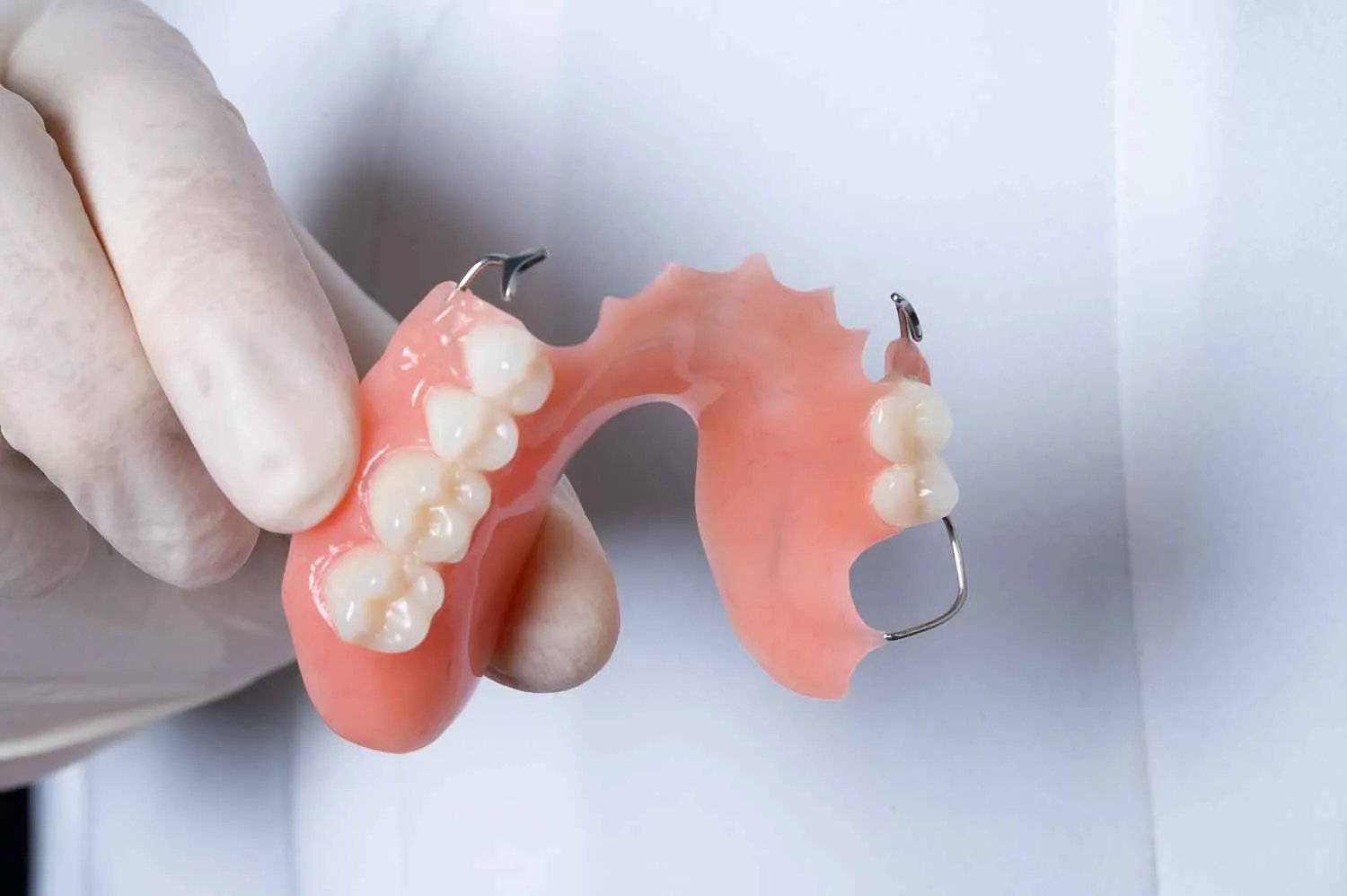
Unlike traditional partials that rely on rigid cast-chrome frameworks or heavy acrylic resins, flexible dentures are manufactured using injection-molded, medical-grade thermoplastic polymers (most commonly nylon-based resins like Valplast or TCS).
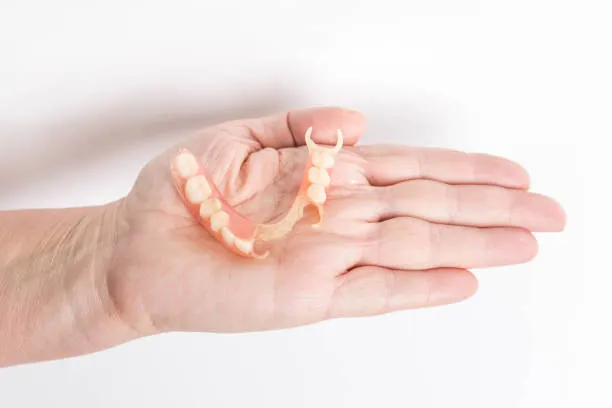
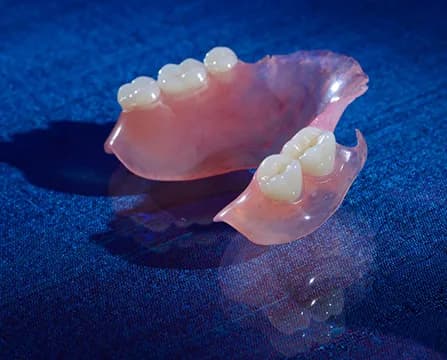
The defining characteristic of this material is its unique balance of flexibility and strength. The base is semi-translucent, allowing the natural pink tone of your underlying gum tissue to shine through. Furthermore, instead of using silver metal hooks that latch onto surrounding teeth, flexible partials feature retention clasps built directly out of the same pink thermoplastic material. These clasps wrap gently around the neck of your natural anchor teeth, making the prosthetic virtually invisible to anyone standing just a few feet away.
The Science of Dynamic Comfort
In a healthy mouth, natural teeth possess a tiny degree of microscopic mobility thanks to the periodontal ligament. Traditional rigid dentures force your anchor teeth to remain completely static while the soft tissue under the denture base compresses. This mismatch often creates painful friction points or 'sore spots.' Flexible partials solve this biomechanical conflict. Because the thermoplastic resin retains a controlled degree of elasticity, the appliance yields slightly under the heavy forces of mastication (chewing). It absorbs and distributes bite pressure evenly across your ridge, preventing localized trauma to your gums while moving naturally alongside your jaw.
Key Advantages of Choosing Flexible Partials
When evaluating options to restore missing teeth, flexible dentures stand out across several critical performance categories:
- Unmatched Aesthetic Integration
The primary reason patients fall in love with flexible partials is their discreet appearance. The absence of dark metallic clasps means you never have to worry about "showing metal" when you smile or laugh. The tooth-colored and tissue-colored resins blend into your oral cavity so seamlessly that most people will never realize you are wearing a dental appliance. - Biocompatible and Hypoallergenic
Traditional acrylic dentures rely on liquid monomers during the mixing process, which can occasionally trigger allergic reactions or tissue inflammation in sensitive patients. Similarly, metal partials contain nickel or cobalt-chrome alloys that can cause localized sensitivity. Flexible thermoplastic resins are 100% monomer-free and metal-free, making them an ultra-safe, hypoallergenic choice. - Exceptional High-Impact Durability
Dropping a standard acrylic denture onto a porcelain bathroom sink or tile floor almost always results in a clean snap or a chipped prosthetic tooth. Flexible thermoplastic resins, by contrast, possess high tensile strength and elasticity. They are virtually shatterproof under normal daily handling, giving you total peace of mind during morning and evening cleaning routines. - Lightweight, Low-Profile Silhouette
Because thermoplastic resins derive their structural integrity from material density rather than pure bulk, flexible partials can be crafted significantly thinner than traditional acrylic plates. This minimal profile frees up precious space for your tongue, drastically reducing the adjustment period required to speak clearly and swallow comfortably.
Comparing Restorative Options for Partial Tooth Loss
Choosing the right dental prosthetic requires balancing budget, aesthetic goals, and long-term oral health needs. Below is an analytical breakdown comparing flexible thermoplastics to traditional metal and acrylic designs:
| Performance Metric | Flexible Thermoplastic | Cast Metal (Chrome-Cobalt) | Standard Acrylic (Flipper) |
|---|---|---|---|
| Primary Base Material | Medical-grade Nylon Polymer | Chrome-Cobalt Alloy Frame | Heat-Cured Acrylic Resin |
| Clasp Visibility | Invisible (Gum-Toned) | Metallic (Visible) | Wrought Wire or Acrylic |
| Weight & Feel | Ultra-lightweight & flexible | Very thin, rigid & stable | Bulkier & rigid profile |
| Shatter Resistance | Extremely High (Flexible) | High (May bend under force) | Moderate to Low (Brittle) |
| Ease of Adjustment | Requires specialized burs | Easily adjusted by denturist | Highly adjustable & repairable |
| Ability to Add Teeth Later | Limited / Difficult | Possible with lab work | Simple & quick in-lab addition |
| Ideal Clinical Use Case | 1-4 missing teeth, high aesthetic demand | Complex long-term support | Short-term or budget-friendly fix |
The Custom Manufacturing Process: What to Expect
Transforming your smile with a flexible partial involves a meticulous, multi-step clinical workflow designed to guarantee a precision fit:
- Initial Clinical Evaluation & Oral Examination: Your denturist evaluates the health of your remaining natural teeth, inspects your gum tissue density, and discusses your aesthetic goals.
- Precision Master Impressions: High-accuracy elastomeric impressions are captured to record every microscopic contour of your dental arches and tissue folds.
- Bite Registration & Shade Selection: We measure your jaw positioning to ensure your new teeth mesh perfectly with your opposing arch. You work alongside your denturist to select tooth shades that match your natural enamel.
- Injection Molding in the Lab: Using specialized high-pressure equipment, melted thermoplastic resin is injected into a custom flask mold containing your tooth setup.
- Final Fitting & Insertion: You return to the clinic to try in your finished flexible denture. Your denturist makes fine adjustments to clasp tension and bite points, ensuring instantaneous comfort.
Caring for Your Flexible Denture: Prolonging Aesthetics and Lifespan
While flexible thermoplastics are resilient, maintaining their crystal-clear hygiene and smooth finish requires specific daily care habits:
- Use Non-Abrasive Cleansers: Never use standard commercial toothpaste on your flexible partial. Abrasive silica particles in regular toothpaste create micro-scratches on the smooth resin surface, turning it dull and creating microscopic hideouts for stain-causing bacteria. Use specialized liquid denture cleansers or mild soaps instead.
- Soak Regularly in Specialized Solutions: Thermoplastic resins benefit from periodic soaking in specialized denture cleansing solutions (such as Val-Clean) designed to break down stubborn plaque and calcium deposits without degrading the nylon matrix.
- Brush with a Soft Bristle Brush: Clean food debris off your appliance after every meal using a soft-bristled denture brush. Always brush gently over a sink filled with water or over a folded towel to cushion any accidental drops.
- Keep the Appliance Hydrated: When your flexible denture is out of your mouth overnight, store it in clean water or a designated soaking solution. Allowing thermoplastic resins to dry out completely over long periods can affect their dimensional flexibility.
Flexible Dentures: Frequently Asked Questions (FAQ)
- What are flexible dentures made of?
They are constructed from medical-grade thermoplastic nylon polymers (such as Valplast or TCS) that provide elastic retention, high impact resistance, and complete biocompatibility without using metal alloys. - Are flexible dentures better than traditional cast-metal partials?
For aesthetics, metal-free comfort, and hypoallergenic needs, flexible partials are superior. However, cast-metal partials remain the gold standard for complex cases requiring maximum structural rigidity or where additional teeth may need to be added in the future. - Can flexible dentures break if I drop them?
It is extremely rare. Because the underlying thermoplastic material is pliable rather than brittle, flexible partials are virtually shatterproof during standard daily handling and dropping. - How do I clean my flexible partial safely?
Rinse the appliance after meals and brush it daily using a soft denture brush with mild liquid cleanser or specialized non-abrasive soaking powders. Never use abrasive toothpastes or harsh bleach products. - Can a denturist add an extra tooth to my flexible denture if I lose another natural tooth later?
In most cases, adding new teeth to an existing flexible thermoplastic partial is technically difficult due to how the material is injection-molded. Losing an additional tooth usually requires crafting a brand-new appliance. - How long do flexible dentures typically last?
With diligent daily hygiene and proper storage, a well-cared-for flexible denture lasts between 5 to 7 years before natural anatomical shifts in your mouth necessitate a replacement. - Can flexible materials be used to make a complete (full) denture?
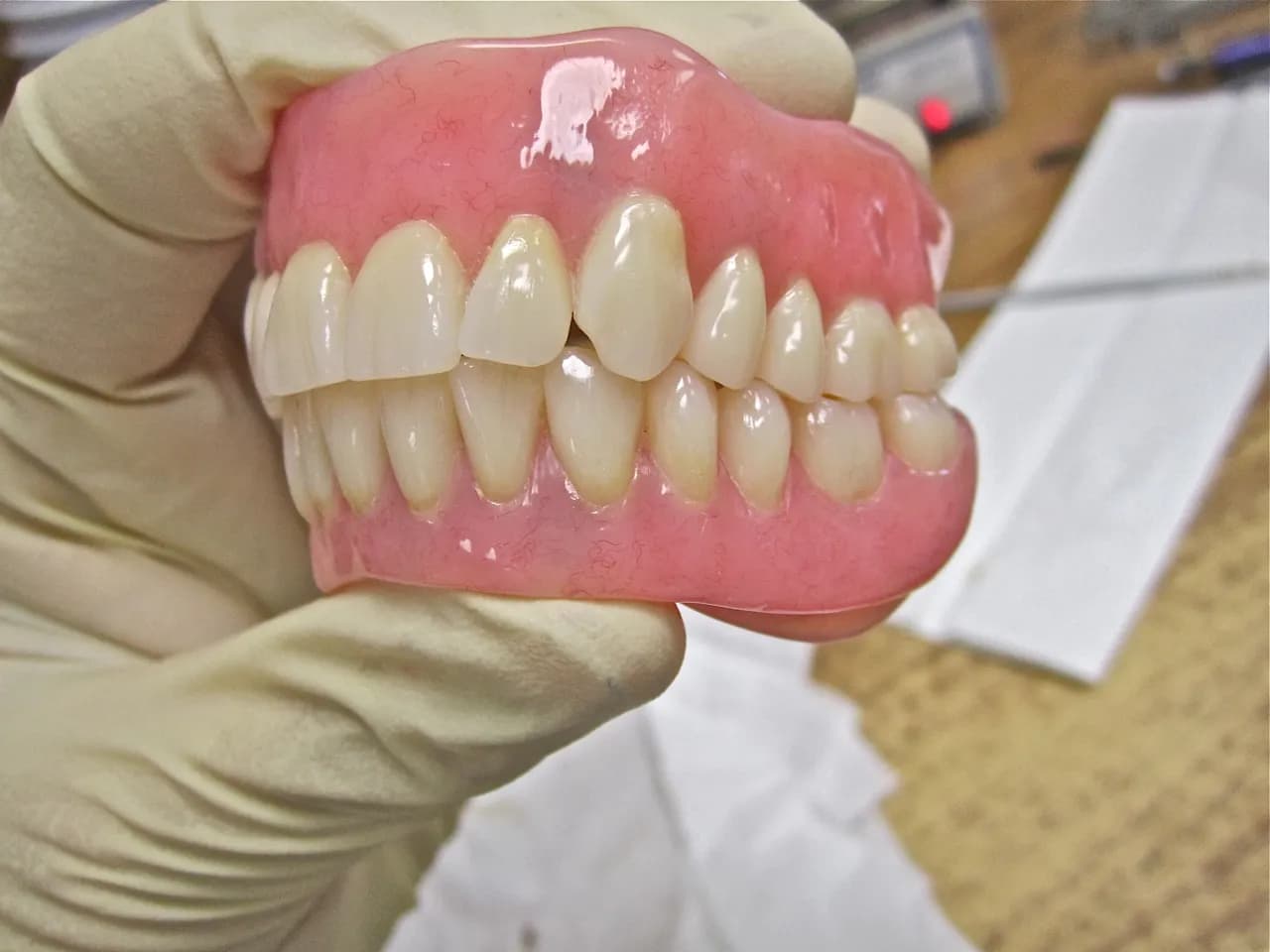
Flexible materials are generally reserved for partial dentures. Complete dentures require a rigid base material (like heat-cured acrylic) to preserve the correct vertical height of your jaw and maintain reliable suction across the palate. - Will wearing a flexible denture cause sore spots on my gums?
Discomfort is significantly lower compared to rigid appliances. Because the flexible base yields slightly under chewing pressure, sore spots are infrequent and usually resolved with a minor clinical polish. - Are flexible partial dentures covered under the Canadian Dental Care Plan (CDCP)?
Yes, flexible partial dentures are often eligible for coverage under specific partial denture procedure codes within the CDCP fee structure, depending on individual clinical eligibility. - Do flexible dentures stain easily from coffee or tea?
While the high-density resin resists surface staining better than cheap acrylics, long-term exposure to dark beverages can cause minor discoloration if daily cleaning routines are neglected.