The prospect of having natural teeth extracted can cause understandable anxiety. Beyond the physical procedure itself, many patients worry about the social and functional aftermath: How will I look at work the next day? How will I talk to my family? Will I have to go out in public without teeth while my gums heal?
Fortunately, modern denturism ensures you never have to face the world without a complete smile. Temporary dentures—frequently referred to in clinical settings as immediate dentures—are specialized prosthetics fabricated before your tooth extraction surgery. They are placed in your mouth by your denturist or surgeon the exact moment your teeth are removed. Serving as both an instant cosmetic solution and a protective surgical bandage, temporary dentures allow you to heal comfortably while preserving your lifestyle, confidence, and speech. Here is an in-depth, step-by-step guide to navigating the temporary denture process.
What Exactly Is a Temporary (Immediate) Denture?
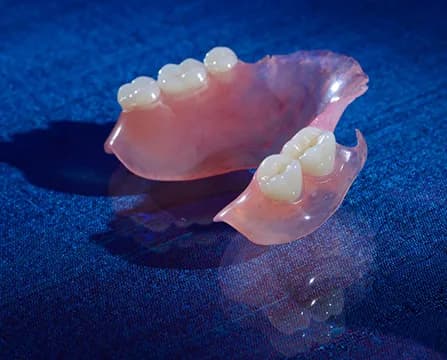
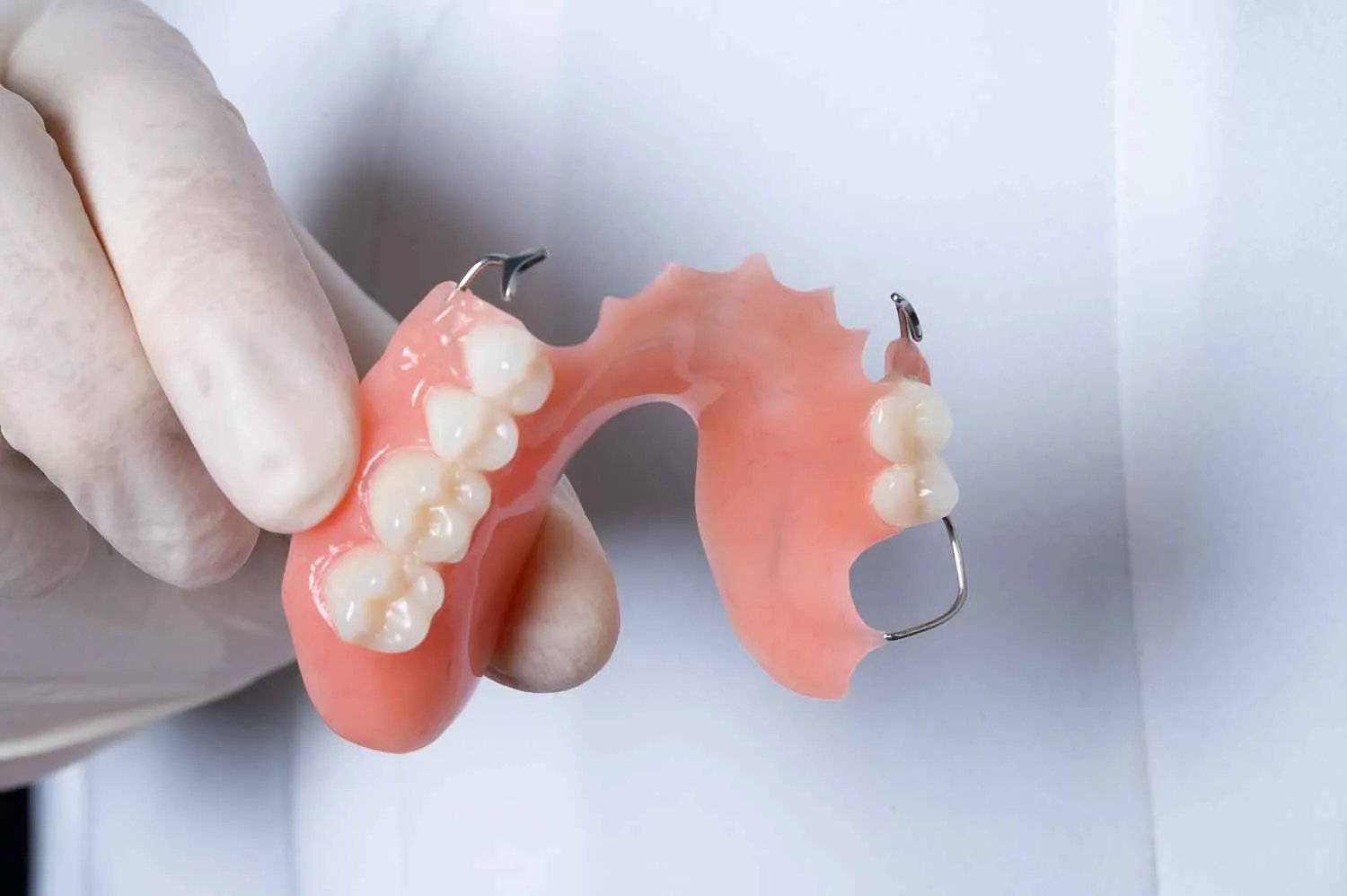
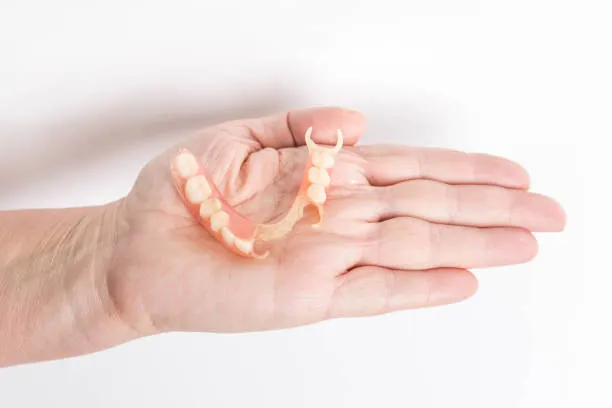
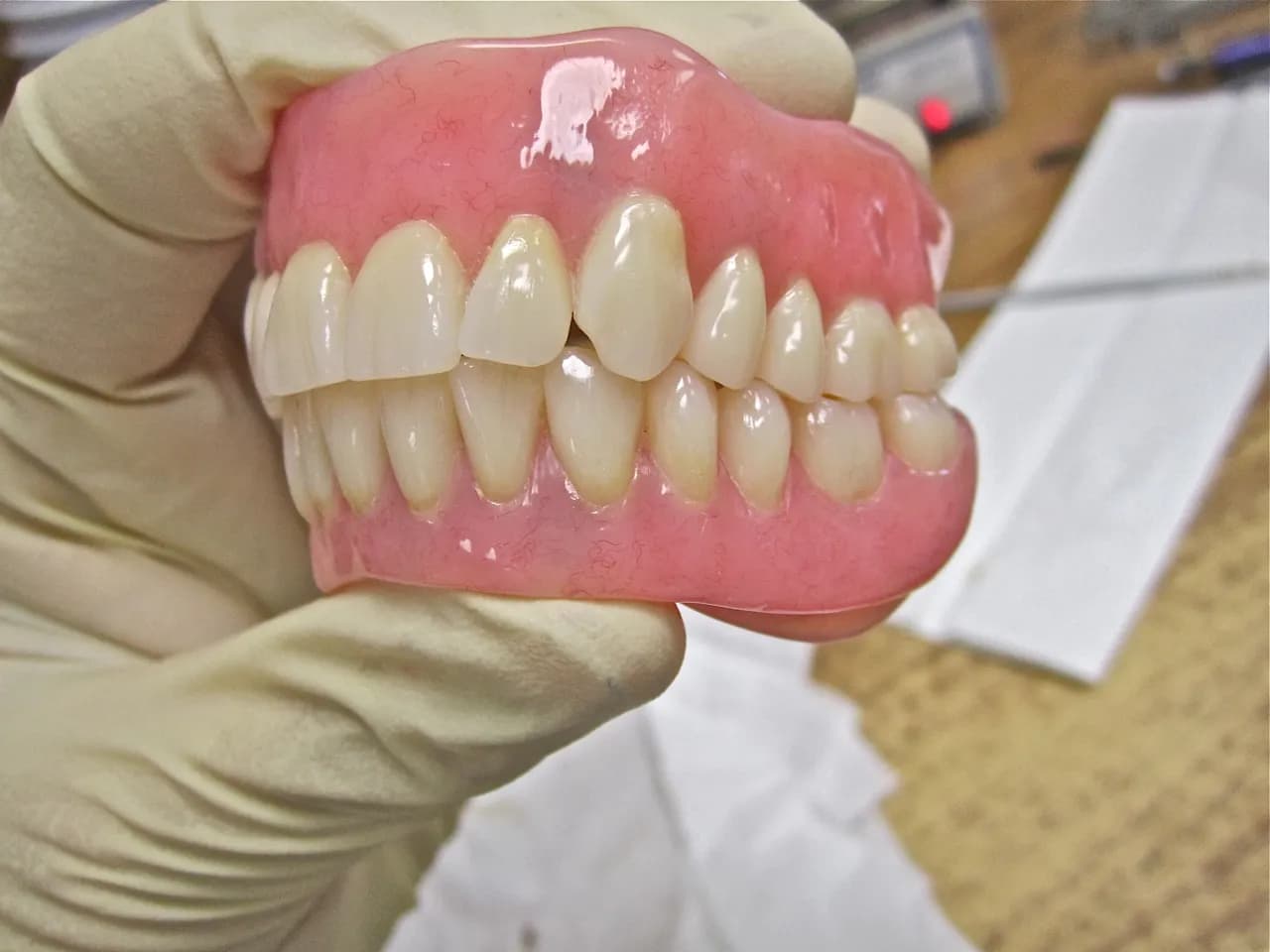
A temporary denture is an oral prosthetic designed to bridge the gap between tooth extraction surgery and the placement of your final, permanent dentures.
When teeth are extracted, the underlying alveolar bone and soft gum tissue undergo a natural, rapid period of remodeling and shrinkage that lasts anywhere from 6 to 12 months. Because a final permanent denture requires a stable, fully healed gum ridge to ensure a precision fit, crafting permanent teeth immediately after surgery is impossible.
A temporary denture solves this timeline challenge. By capturing precision molds of your mouth while your natural teeth are still present, your denturist builds your temporary appliance in advance. On the day of surgery, your teeth are extracted, and the temporary denture is inserted right away.
The Dual Role of Temporary Dentures: Aesthetics and Protection
While the cosmetic benefit of walking into an appointment with missing teeth and walking out with a complete smile is obvious, temporary dentures also perform critical medical functions during recovery:
- Acting as a Physical Surgical Bandage
Extraction sockets are open surgical sites vulnerable to pressure, friction, and food debris. A temporary denture acts as an internal splint or bandage. It holds surgical gauze in place, controls post-operative bleeding, protects delicate blood clots, and shields raw gum tissue from painful contact with hard foods or your tongue. - Controlling Tissue Swelling and Edema
Just like applying ice and a compression wrap to a sprained ankle limits swelling, an immediate temporary denture applies gentle, uniform pressure over your extraction ridges. This compression curbs excessive tissue edema (swelling) during the critical first 24 to 48 hours post-surgery. - Preserving Jaw Alignment and Muscle Tone
Your facial muscles, jaw joints (TMJ), and tongue are accustomed to a specific vertical height when your mouth is closed. If you were to go without teeth for six months, your jaw muscles would overclose, leading to joint strain and muscle memory loss. Temporary dentures hold your jaw at its correct anatomical height, ensuring a smooth transition when your final permanent dentures are crafted later on.
Step-by-Step Timeline: The Temporary Denture Journey
Understanding the clinical process helps eliminate fear of the unknown. Here is how the temporary denture journey unfolds from your initial consultation to your final smile:
Stage 1: Pre-Surgical Planning (1 to 2 Weeks Before Extractions)
- Comprehensive oral examination and digital X-ray review.
- Precision primary impressions captured while natural teeth are present.
- Bite registration and custom tooth shade selection.
- On-site lab fabricates your temporary denture in advance.
Stage 2: Surgery & Immediate Insertion (Day 1)
- Dentist/oral surgeon extracts non-restorable teeth under local anesthesia.
- Temporary denture is inserted immediately into your mouth over sockets.
- CRITICAL RULE: Leave the denture in place continuously for the first 24 hours!
Stage 3: The 24-Hour Post-Op Check (Day 2)
- You return to your denturist for your first clinical review.
- Denturist carefully removes appliance, inspects healing sockets, and cleans base.
- Minor pressure adjustments are performed to relieve early sore spots.
Stage 4: Healing & Temporary Tissue Conditioners (Months 1 to 6)
- Gums heal and shrink rapidly over the first few months.
- As gaps form, your denturist applies soft medicated liners (tissue conditioners).
- Soft liners fill in empty space, restoring tight fit and cushioning sore ridges.
Stage 5: Permanent Denture Fabrication (Months 6 to 12)
- Bone resorption stabilizes completely.
- Master impressions are taken over fully healed, smooth gum ridges.
- Your final, high-precision permanent denture is crafted and delivered!
Critical Post-Operative Rules for Temporary Denture Success
The first 48 hours after receiving your temporary dentures dictate how smoothly your healing progresses. Adhere strictly to these clinical guidelines:
- DO NOT Remove the Denture for the First 24–48 Hours: This is the most crucial rule of immediate denture care. If you take the denture out on your own during the first night, your extraction gums will swell rapidly. Once swollen, attempting to force the rigid denture back into your mouth will be painful, and you may be locked out of wearing your teeth for days. Let your denturist remove it for the first time at your 24-hour follow-up.
- Adopt a Soft, Nutritious Diet: Stick to lukewarm, soft foods for the first week—think protein shakes, smoothies, scrambled eggs, mashed potatoes, lukewarm broths, and yogurt. Avoid hot liquids, alcoholic beverages, or foods with tiny seeds that can lodge inside open extraction sockets.
- Use Gentle Saltwater Rinses (After 24 Hours): Starting on day two, gently rinse your mouth with warm salt water (1/2 teaspoon of salt in a glass of warm water) after meals. Do not spit forcefully; let the water roll gently out of your mouth into the sink to protect healing blood clots.
Temporary Dentures vs. Permanent Dentures: Understanding the Differences
It is essential to recognize that temporary dentures are engineered for a specific transitional purpose and differ from final permanent dentures in several ways:
| Feature | Temporary (Immediate) Denture | Final Permanent Denture |
|---|---|---|
| Primary Purpose | Healing protection, aesthetics & short-term function | Long-term durability, ultimate comfort & aesthetics |
| Impression Timing | Taken before extractions (gums covered by teeth) | Taken after gums & bone are 100% healed |
| Aesthetic Try-In Phase | None (cannot try in teeth in wax beforehand) | Full wax try-in (patient approves smile before casting) |
| Base Fit Over Time | Becomes loose quickly as underlying bone shrinks | Maintains a stable, long-term fit with minimal shifts |
| Liners & Maintenance | Requires frequent soft liners (tissue conditioners) | Requires only routine annual checks or rare relines |
Temporary Dentures: Frequently Asked Questions (FAQ)
- What is a temporary denture?
A temporary denture (also called an immediate denture) is an oral prosthetic crafted before extraction surgery and placed in your mouth immediately after teeth are removed, so you never go without teeth while healing. - How long do I need to wear temporary dentures?
They are worn throughout the healing phase, which typically lasts 6 to 12 months, while the underlying jawbone and gum tissue stabilize after extractions. - Why does my temporary denture feel loose after a few months?
After extractions, your jawbone naturally shrinks (resorbs). As the gum ridge shrinks away from the rigid denture base, gaps open up, causing the appliance to feel loose. - What is a soft liner or tissue conditioner?
It is a soft, pliable, medicated layer applied directly to the inside of your temporary denture by your denturist. It fills in gaps caused by shrinking gums, restoring a snug, cushioned fit. - Can I take my temporary dentures out on the first night after surgery?
No. Leave them in for the first 24 to 48 hours continuously. The denture acts as a compression bandage; taking it out causes immediate gum swelling that will prevent you from putting it back in. - Will wearing temporary dentures right after extractions hurt?
Discomfort comes from the tooth extractions themselves rather than the denture. In fact, the denture shields raw sockets from direct impact, easing overall post-surgical pain. - What foods should I eat with immediate temporary dentures?
Stick to soft, nutrient-dense foods for the first two weeks—such as eggs, smooth soups, yogurt, protein shakes, and mashed vegetables. Avoid hot, crunchy, or seedy foods. - How do I clean my temporary dentures during the first week of healing?
After the initial 24-hour check, take the denture out gently over a sink of water, rinse it under lukewarm tap water, and clean it with a soft brush and mild cleanser. Gently rinse your mouth with warm salt water. - Are temporary dentures permanent?
No. They are transitional prosthetics engineered for temporary use. Once your mouth is fully healed and stabilized (usually around 6 to 12 months), a final permanent denture is crafted. - Does insurance or the Canadian Dental Care Plan (CDCP) cover temporary dentures?
Many dental insurance plans and government benefit programs like the CDCP cover immediate temporary dentures and subsequent temporary relines, subject to specific clinical pre-authorizations.