Losing natural teeth—whether due to severe decay, periodontal disease, or physical trauma—is a life-altering experience. Beyond the obvious aesthetic impact on your smile, tooth loss sets off an invisible structural decline inside your mouth. Without teeth to support your lips and cheeks, facial muscles begin to sag, giving the lower face a premature "collapsed" appearance. Furthermore, your remaining teeth shift into empty gaps, throwing off your bite alignment and making thorough mastication (chewing) nearly impossible.
For millions of individuals navigating partial or complete tooth loss, removable dentures remain one of the most reliable, non-invasive, and cost-effective solutions in modern restorative dentistry. Modern prosthetics have come a long way from the heavy, ill-fitting plates of previous generations. Today's removable dentures are precision-engineered medical appliances designed to restore natural facial contours, optimize speech, and give you back the confidence to enjoy a broad, healthy diet.
Here is an in-depth look at everything you need to know about removable dentures, how they function, and how to select the best option for your lifestyle.
Understanding the Anatomy of Removable Dentures
Removable dentures are custom-crafted oral prosthetics designed to replace missing natural teeth and surrounding mucosal tissue. True to their name, they are engineered to be easily removed by the patient for thorough daily cleaning, oral hygiene, and nightly tissue rest. Depending on the extent of your tooth loss, removable dentures are divided into two main clinical categories:
1. Removable Complete (Full) Dentures
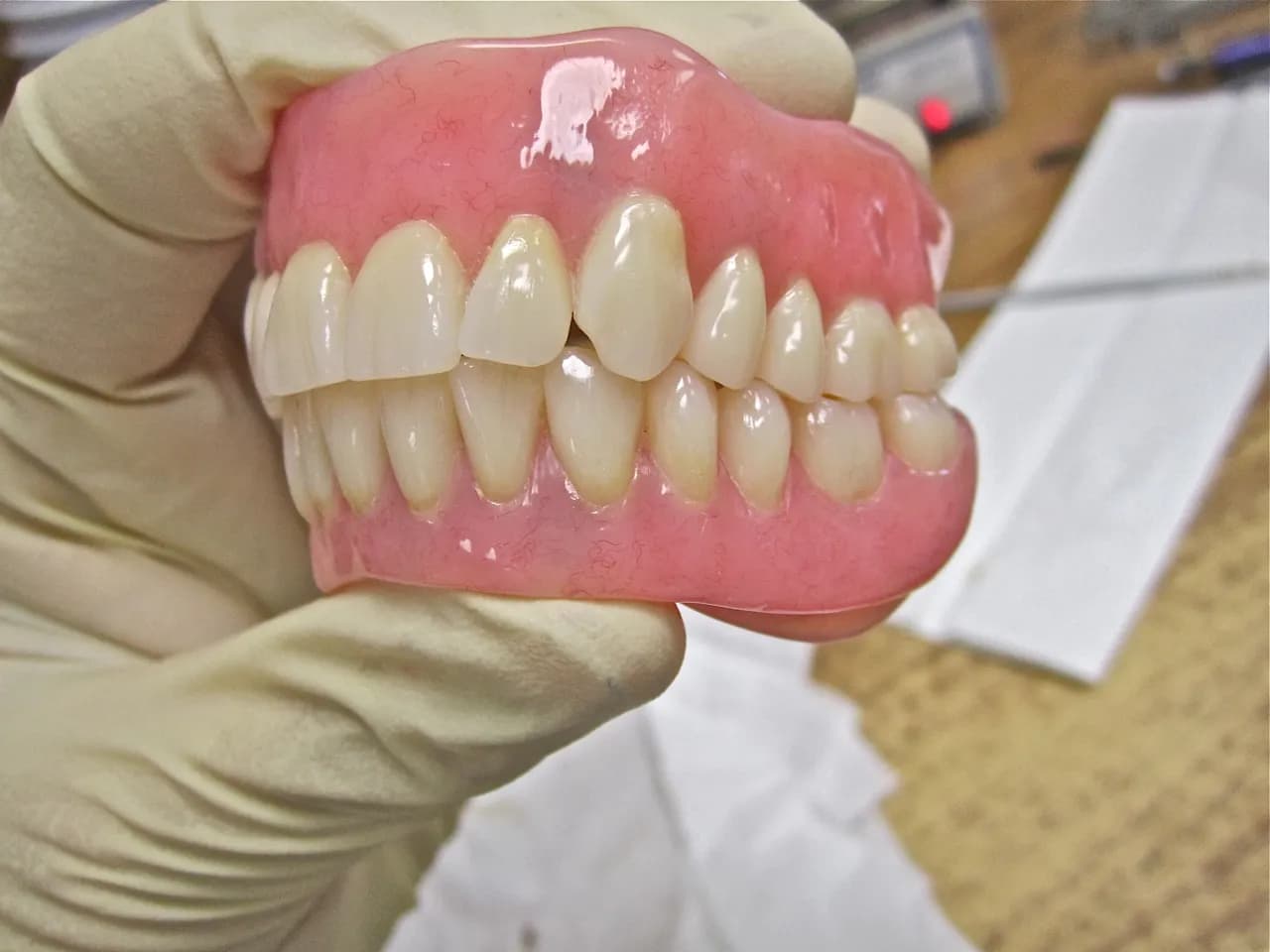
Complete dentures are indicated when a patient is missing all natural teeth across an entire dental arch—either the upper jaw (maxilla), the lower jaw (mandible), or both.
- Upper Complete Dentures: These cover the entire palate (roof of the mouth). They rely on a liquid thin-film effect (saliva) created between the smooth acrylic base and your palate, forming a strong natural suction seal.
- Lower Complete Dentures: Because the lower jaw features a moving tongue and limited surface area along the gum ridge, a lower complete denture is shaped like a horseshoe. It relies on precise anatomic contouring, physical gravity, and muscle coordination (from the cheeks and tongue) to remain stable.
2. Removable Partial Dentures
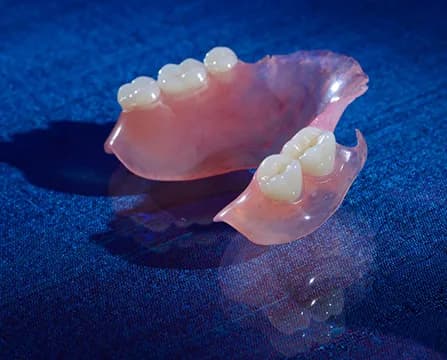
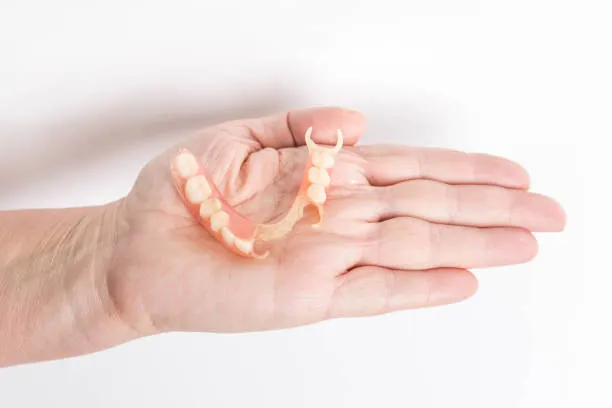
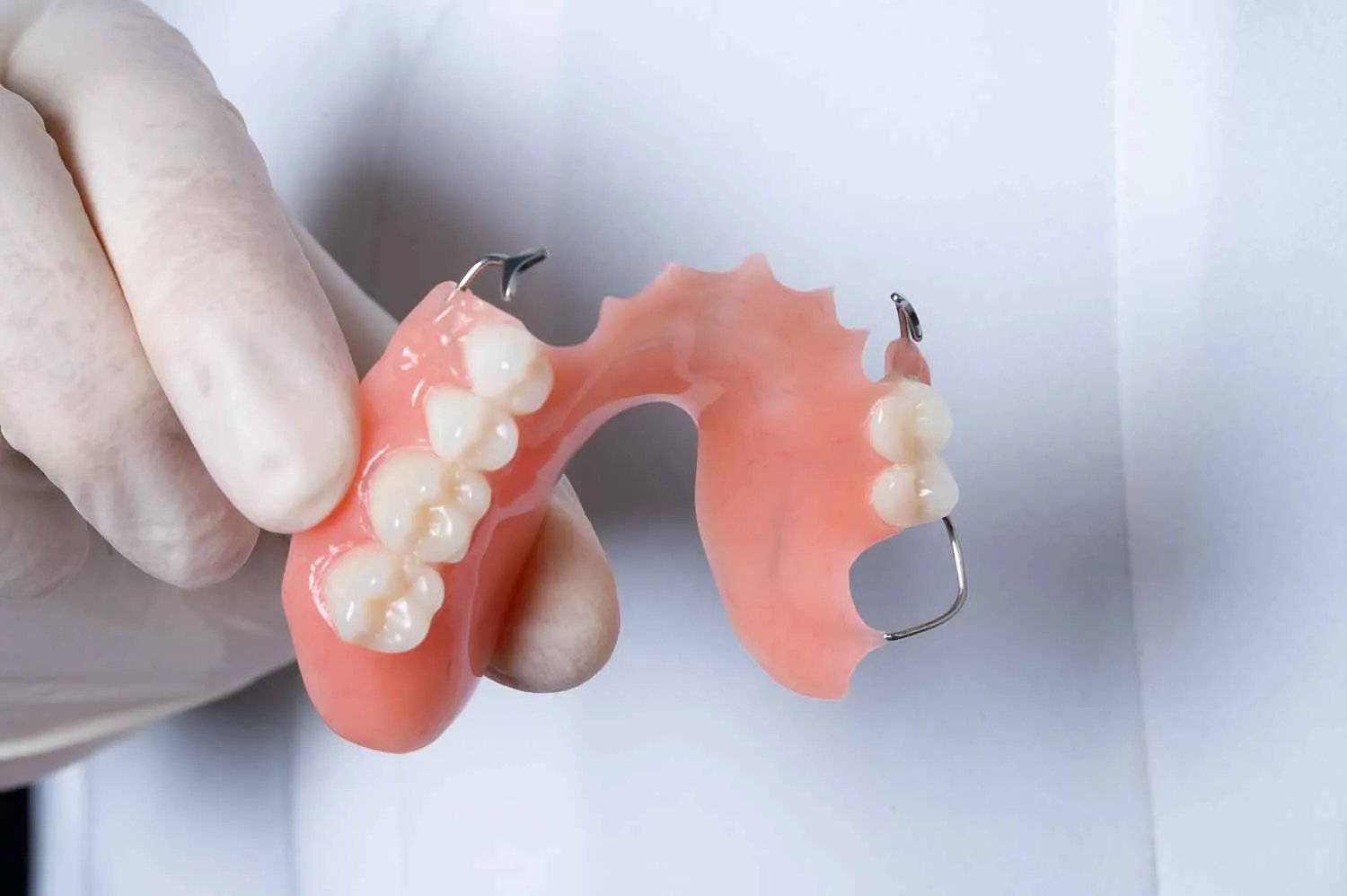
Partial dentures are utilized when a patient still retains one or more healthy natural teeth in the upper or lower arch. The prosthetic features replacement teeth set in a pink acrylic or flexible resin base, anchored firmly to adjacent natural teeth using precision metal or tooth-colored clasps.
Why Removable Dentures Matter: Health, Aesthetics, and Biomechanics
Choosing to replace missing teeth with a custom removable denture provides major benefits that extend far beyond aesthetics:
A. Rebuilding Vertical Dimension and Facial Aesthetics
When natural teeth are extracted, the alveolar bone ridge that once held the roots begins to naturally resorb (shrink). As bone height decreases, the distance between the tip of your nose and your chin shrinks when your mouth is closed—a condition known as lost "vertical dimension." This loss causes deep skin folds around the mouth, thin lips, and a sunken jawline. Removable dentures are sculpted to restore this exact vertical height, plumping out your facial tissues and instantly restoring a youthful, healthy profile.
B. Restoring Masticatory Function and Digestive Health
Proper digestion begins in the mouth. When missing molars prevent you from chewing food into fine particles, your stomach and intestines have to work significantly harder to absorb essential nutrients. Removable dentures restore functional chewing surfaces, allowing you to reintroduce nutrient-dense foods—such as lean meats, fibrous vegetables, nuts, and fresh fruits—back into your daily diet.
C. Correcting Speech Impediments
Pronouncing clear consonant sounds (specifically "S," "F," "V," and "TH") requires your tongue to make precise contact with the back of your front teeth or palate. Gaps from missing teeth cause air leaks that lead to slurring or whistling. A custom-designed denture replaces these essential contact points, allowing you to articulate words clearly and effortlessly.
Key Types of Removable Denture Frameworks
Modern denturists utilize three primary structural materials to construct removable partial dentures, each tailored to specific clinical requirements:
1. Cast Metal Partial Dentures (Chrome-Cobalt)
Ultra-thin, rigid metal frame. Maximum stability, minimal bulk, lasts for years.
2. Flexible Thermoplastic Partials (Nylon-Based)
Metal-free, pliable base. Invisible gum-colored clasps, ideal for aesthetics.
3. Acrylic Resin Partials (Standard / Transitional)
All-acrylic pink plate with wire clasps. Budget-friendly, easily modified.
The Step-by-Step Clinical Journey to New Removable Dentures
Creating a high-performance removable denture is an exacting process that merges clinical artistry with laboratory technology. Here is what to expect during your appointments:
- Comprehensive Consultation & Digital Diagnostics: Your denturist performs a thorough oral exam, evaluates gum health, takes X-rays (if necessary), and discusses your functional goals.
- Primary & Final Impressions: We take initial impressions to build custom trays, followed by high-precision final impressions that map the exact borders and muscle attachments of your mouth.
- Bite Registration & Vertical Dimension Measurement: Specialized wax rims are used to capture how your upper and lower jaws meet, ensuring your new bite feels balanced and stress-free.
- The Wax Try-In Phase: This is the most exciting milestone! Your replacement teeth are temporarily arranged in a soft wax base. You try the wax denture in your mouth in front of a mirror to inspect tooth shape, shade, and overall smile aesthetics. Any changes are made right on the spot before final casting.
- Laboratory Processing: The approved wax setup is invested in a flask, the wax is boiled out, and high-impact acrylic resin is packed and heat-cured under high pressure.
- Final Fitting & Post-Insertion Adjustments: Your finished denture is seated in your mouth. Your denturist checks for high spots, polishes bite surfaces, and schedules follow-up checks to eliminate minor sore spots.
Daily Hygiene and Care Protocols for Removable Dentures
Taking proper care of your removable dentures protects your financial investment and keeps your underlying mouth tissues healthy:
- Remove and Rest Your Gums Nightly: Never wear removable dentures 24 hours a day. Taking them out at night allows your gum tissues to rest, receive natural oxygenation from saliva, and prevents fungal infections like oral thrush (candidiasis).
- Clean Over a Cushion: Always clean your dentures over a basin filled with warm water or a folded towel on the counter. If the appliance slips out of your hands, the water or towel absorbs the impact and prevents breakage.
- Avoid Hot Water: Never rinse or soak your dentures in boiling or excessively hot water. High temperatures can warp the acrylic resin base, ruining its precise custom fit.
- Store in Fresh Water: When your dentures are out of your mouth overnight, keep them submerged in fresh room-temperature water or a mild denture-soaking solution to prevent the acrylic from drying out and changing shape.
Removable Dentures: Frequently Asked Questions (FAQ)
- What are the main types of removable dentures available today?
The two primary categories are complete (full) dentures for total tooth loss across an arch, and partial dentures for filling gaps when healthy natural teeth remain. - How do upper complete dentures stay firmly in place without clasps?
Upper complete dentures cover the entire palate and rely on natural suction created by a thin film of saliva between the smooth acrylic base and your mucosal tissue. - Why do lower complete dentures feel looser than upper dentures?
The lower jaw has significantly less surface area, a horseshoe shape to accommodate the tongue, and constant muscle movement from the cheeks and tongue, making retention a dynamic process. - How often should I remove my dentures during the day?
You should take your dentures out after meals to rinse away trapped food particles, and always remove them before going to sleep to let your gum tissues rest. - Can I eat normal, solid foods with new removable dentures?
Yes, but adapting takes a few weeks. Start with soft foods cut into small, bite-sized pieces, and practice chewing evenly on both sides of your mouth to keep the denture stable. - How long do removable dentures typically last before needing replacement?
A high-quality removable denture generally lasts 5 to 7 years. Over time, natural bone resorption changes your jaw structure, requiring a professional reline or replacement. - What is a denture reline and how does it help?
A reline is a procedure where your denturist adds a fresh layer of acrylic resin to the inside surface of your denture, restoring snug fit and suction as your gums change shape. - Can removable dentures be attached to dental implants?
Yes! Implant-supported overdentures are removable dentures that "snap" onto two or four titanium implant posts, offering maximum stability while remaining easy to take out for nightly cleaning. - Will wearing removable dentures change the way I speak?
You may notice minor changes with "S" or "F" sounds during the first few days. Reading aloud for 10 minutes a day speeds up speech adaptation, and normal articulation returns quickly. - Are removable dentures covered under the Canadian Dental Care Plan (CDCP)?
Yes, basic removable complete and partial dentures are core covered services under the CDCP framework for eligible patients, subject to pre-authorization guidelines.